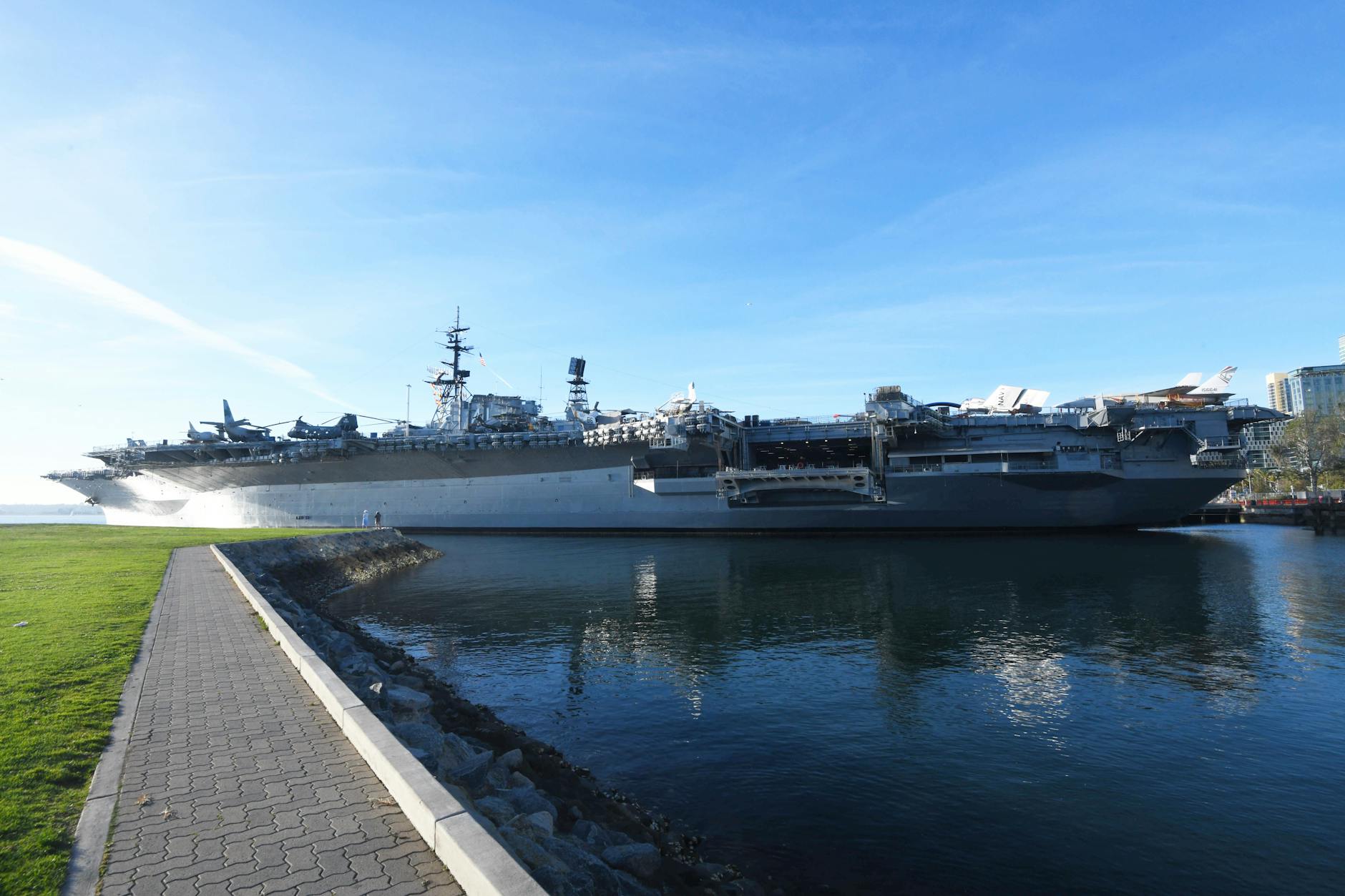
The U.S. Navy has announced the decision to mothball the USS Boise, a move that underscores ongoing maintenance challenges and reflects a strategic shift in fleet composition. This decision is part of a broader, “data-driven initiative” aimed at optimizing naval capabilities in an increasingly complex geopolitical environment. The USS Boise, a Los Angeles-class submarine commissioned in 1988, has faced significant operational and maintenance hurdles over the years, highlighting the Navy’s struggles to balance aging platforms with the need for modernization.
The decision to retire the Boise is emblematic of a larger trend within the Navy, where older vessels are being evaluated against current and future operational needs. The Navy has been grappling with a fleet that is not only aging but also facing technological obsolescence as adversaries invest heavily in asymmetric warfare capabilities. This strategic assessment comes at a critical juncture, as the U.S. shifts its focus towards great power competition, particularly with nations like China and Russia.
Geopolitically, the mothballing of the Boise could have broader implications. As the Navy seeks to enhance its fleet's overall composition, the decision raises questions about the readiness and responsiveness of U.S. naval forces in contested environments. The Navy is under pressure to ensure that its assets are not only modern but also capable of operating in high-threat scenarios. The retirement of the Boise may free up resources for the development and acquisition of newer, more capable platforms, such as the Virginia-class submarines, which offer advanced technology and improved stealth capabilities.
However, the decision to retire the Boise also underscores the inherent challenges the Navy faces in maintaining a balanced fleet. The Navy's budget constraints, coupled with rising maintenance costs for older vessels, have created a difficult environment for sustaining operational readiness. This has led to a growing backlog of maintenance needs across the fleet, raising concerns about whether the Navy can meet its current operational commitments while transitioning to a more modern fleet.
The Navy has articulated its intent to adopt a more data-driven approach to fleet management. This involves leveraging analytics and operational data to make informed decisions about which vessels to retain, upgrade, or retire. By focusing on a fleet that can effectively respond to emerging threats, the Navy aims to maintain maritime superiority. In this context, the mothballing of the Boise aligns with a strategic pivot towards platforms that can operate effectively in a high-tech battlefield.
Looking ahead, several factors will be critical in shaping the Navy's future fleet composition. First, the ongoing development of new technologies, including unmanned systems and artificial intelligence, will likely play a significant role in determining the capabilities required for future naval operations. The integration of these technologies into the fleet could enable the Navy to operate more efficiently and effectively in contested environments.
Second, the strategic landscape itself will continue to evolve, with potential flashpoints in the Indo-Pacific region, Europe, and beyond. The Navy must remain agile and adaptable to respond to shifting geopolitical dynamics and emerging threats from both state and non-state actors. This necessitates a continuous reevaluation of fleet composition and readiness levels, ensuring that the Navy can project power and deter aggression.
In conclusion, the decision to mothball the USS Boise marks a significant moment in the Navy's ongoing efforts to modernize its fleet amid maintenance challenges. As the service navigates the complexities of budget constraints, aging platforms, and evolving strategic imperatives, the outcome of this initiative will be closely watched. The Navy's ability to effectively balance its current operational commitments with future readiness will be vital in maintaining its position as a dominant maritime force. The coming months will reveal how these strategic decisions will shape the Navy’s operational landscape and its capacity to respond to emerging threats on the global stage.