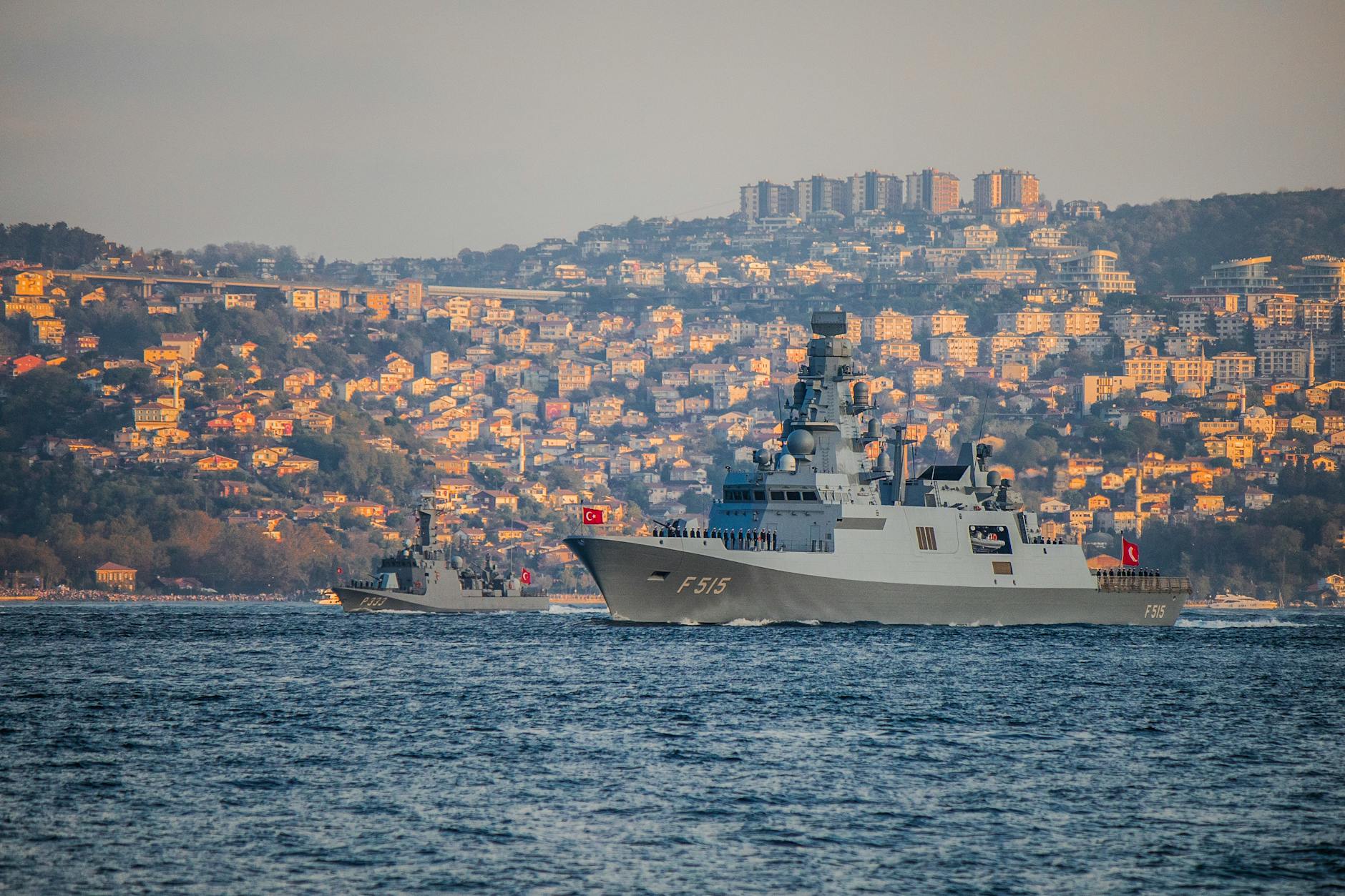
The recent disruptions at the Strait of Hormuz are poised to reverberate across the global shipping network, significantly affecting international trade dynamics and prompting urgent defense considerations. As one of the world’s most critical maritime chokepoints, the Strait connects the Persian Gulf to the Arabian Sea and is a vital conduit for oil and goods, making its stability crucial for global economic health. The implications of ongoing tensions in this region not only threaten the flow of commodities but also highlight the need for enhanced collaborative defense strategies among nations.
Geopolitically, the Strait of Hormuz is situated in a region rife with complex power struggles and a history of maritime conflict. The Iranian government has historically leveraged its geographical position to exert influence over regional and global energy markets. Recent military engagements, including naval exercises and threats to disrupt shipping lanes, signal a worrying trend that could escalate into more severe confrontations. Capt. Kidd's analysis emphasizes that as threats to navigation increase, the ripple effects will likely extend to other critical chokepoints, such as the Malacca Strait and the Suez Canal, heightening the need for a synchronized international response.
The strategic implications of such disruptions are profound. A sustained blockade or increased hostilities in Hormuz could lead to skyrocketing oil prices and a reconfiguration of global supply chains. As nations grapple with these economic pressures, military preparedness will become paramount. The U.S. Navy, along with allied maritime forces, may need to bolster patrols in the region to ensure freedom of navigation and deter hostile actions. This requires not only naval assets but also intelligence-sharing arrangements and logistical support to maintain operational readiness.
Furthermore, the potential for conflict in the Strait of Hormuz brings into focus the vulnerabilities of trade routes that extend beyond the Middle East. For instance, if shipping insurance rates rise or if vessels are regularly threatened, companies may seek alternative routes, which could, in turn, stress other chokepoints. This diversion of maritime traffic could lead to increased congestion and heightened tension in those areas, necessitating heightened naval presence and security measures.
The international community must recognize that the implications of instability in one chokepoint can lead to a domino effect, where the security of all critical maritime corridors comes into question. This situation calls for a unified approach to maritime security, perhaps through multinational coalitions that can monitor and protect vital shipping lanes while engaging in diplomatic efforts to de-escalate tensions in the region.
In terms of military preparedness, nations will need to reassess their defense postures. The U.S. and its allies may need to consider the deployment of additional naval assets and the establishment of rapid-response task forces capable of addressing emerging threats in real-time. While the immediate focus may be on the Strait of Hormuz, defense strategists must maintain a holistic view of global chokepoints and their interconnectedness.
Looking ahead, the situation in the Strait of Hormuz will be critical to monitor, along with responses from other nations regarding maritime security. The potential for increased military engagement is high, as is the likelihood of economic repercussions that could prompt further geopolitical shifts. Stakeholders must remain vigilant and prepared for a landscape where the stability of maritime routes is increasingly challenged, affecting not just trade, but also global security architecture.
As tensions evolve, the international community's ability to adapt its defense strategies effectively will be tested, underscoring the need for ongoing collaboration and communication among naval forces worldwide.