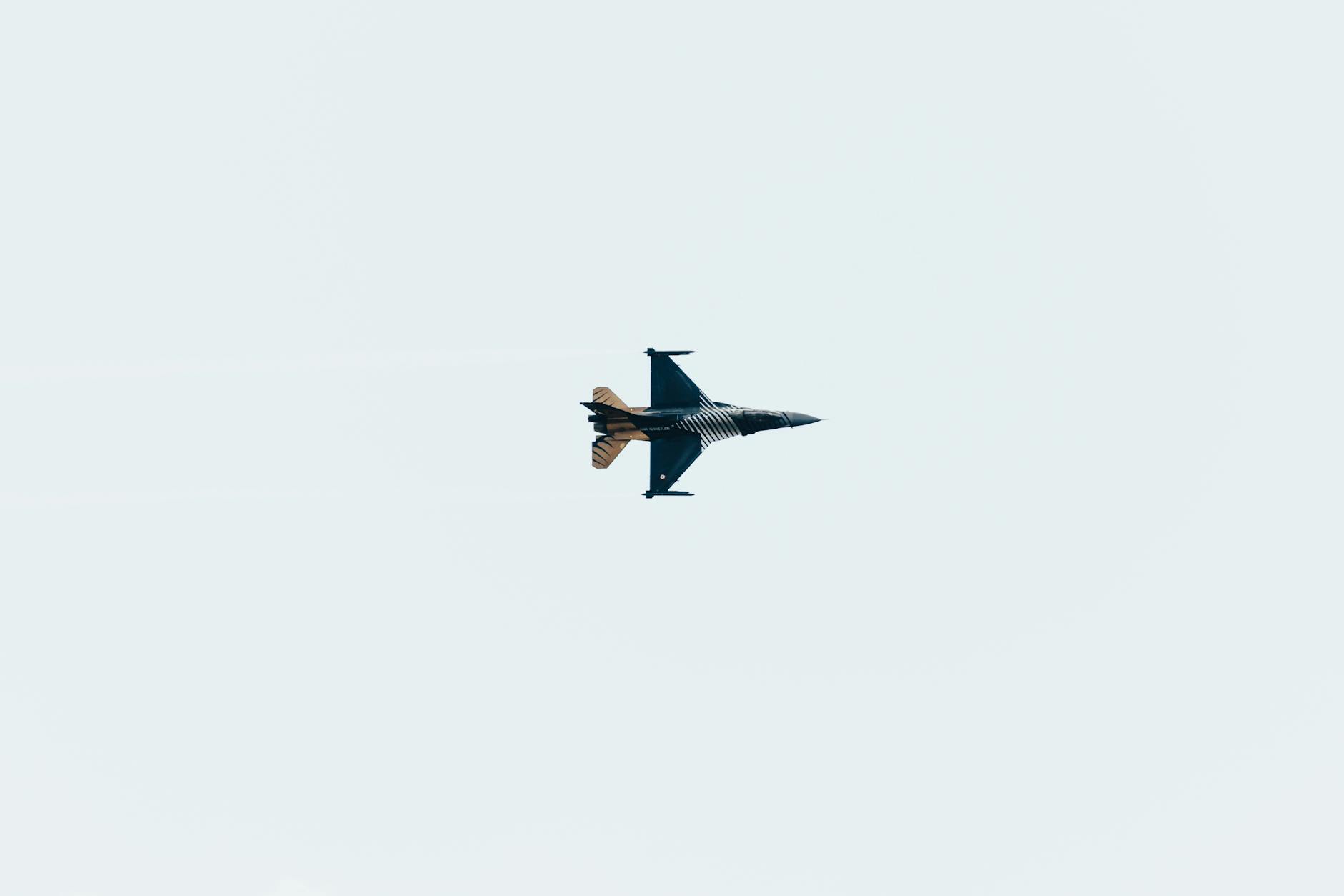
The recent incident in Saudi Arabia, where Iranian forces managed to strike U.S. aircraft despite the Pentagon's reassurances about a robust defensive posture, has sparked significant concern within military and strategic circles. Secretary of Defense Pete Hegseth’s comment that the U.S. had “maxed out” its defensive capabilities underscores the growing unease about the effectiveness of American military strategies, particularly those designed with a focus on countering the rising threat posed by China. This development raises critical questions about the adaptability of the U.S. Air Force’s defense strategies in the context of asymmetric threats from regional adversaries like Iran.
Historically, U.S. military strategy has been primarily reactive, evolving in response to the capabilities of its most formidable adversaries. The pivot towards a defensive posture against China involved a comprehensive approach that included advanced surveillance, electronic warfare, and enhanced fighter jet technologies. However, the recent attack by Iranian forces reveals vulnerabilities in this strategy, particularly when applied to the complex and fluid dynamics of the Middle East. Iran has demonstrated an ability to leverage asymmetric warfare tactics, utilizing drones and precision-guided munitions to effectively target U.S. assets, which poses a fundamental challenge to the conventional defense paradigms that the Air Force has prioritized.
Geopolitically, the implications of Iran's successful strike extend beyond immediate military concerns. The attack signifies a shift in the balance of power in the region, emboldening Iran and potentially destabilizing U.S. alliances with Gulf states. The incident also serves as a warning signal to other U.S. adversaries who may see an opportunity to exploit perceived weaknesses in American defenses. The broader implications for U.S. foreign policy and military strategy could be substantial, as Washington may need to recalibrate its approach to deterrence and defense in the Middle East.
In light of these developments, defense analysts are scrutinizing the current defensive measures in place. The U.S. Air Force's reliance on high-tech solutions and traditional air superiority may not be sufficient in the face of a determined adversary employing innovative strategies. The effectiveness of missile defense systems, electronic countermeasures, and intelligence operations will be paramount in the evolving theater of conflict that is the Middle East. As the U.S. seeks to counter Iran’s capabilities, it must also consider enhancing its partnerships with regional allies, conducting joint exercises, and sharing intelligence to create a more integrated defense network.
Moreover, the U.S. military must reassess its resource allocation and strategic priorities in the face of Iran's demonstrated capabilities. This may involve investing in new technologies suited for countering drone warfare and other unconventional tactics that Iran has successfully employed. The need for a multifaceted approach—combining technological advancements with strategic partnerships and a robust intelligence framework—cannot be overstated.
As we look to the future, the key questions will revolve around how the U.S. can adapt its military strategy to address the unique challenges posed by Iran. Will the Air Force be able to recalibrate its defensive posture effectively, or will it continue to face setbacks in the region? Observers should keep a close eye on the U.S. military's response to this incident and its subsequent strategic adjustments, as these actions will likely shape the security landscape in the Middle East for years to come. The ongoing evolution of military strategy in response to emerging threats will be a critical area to monitor in the coming months.