
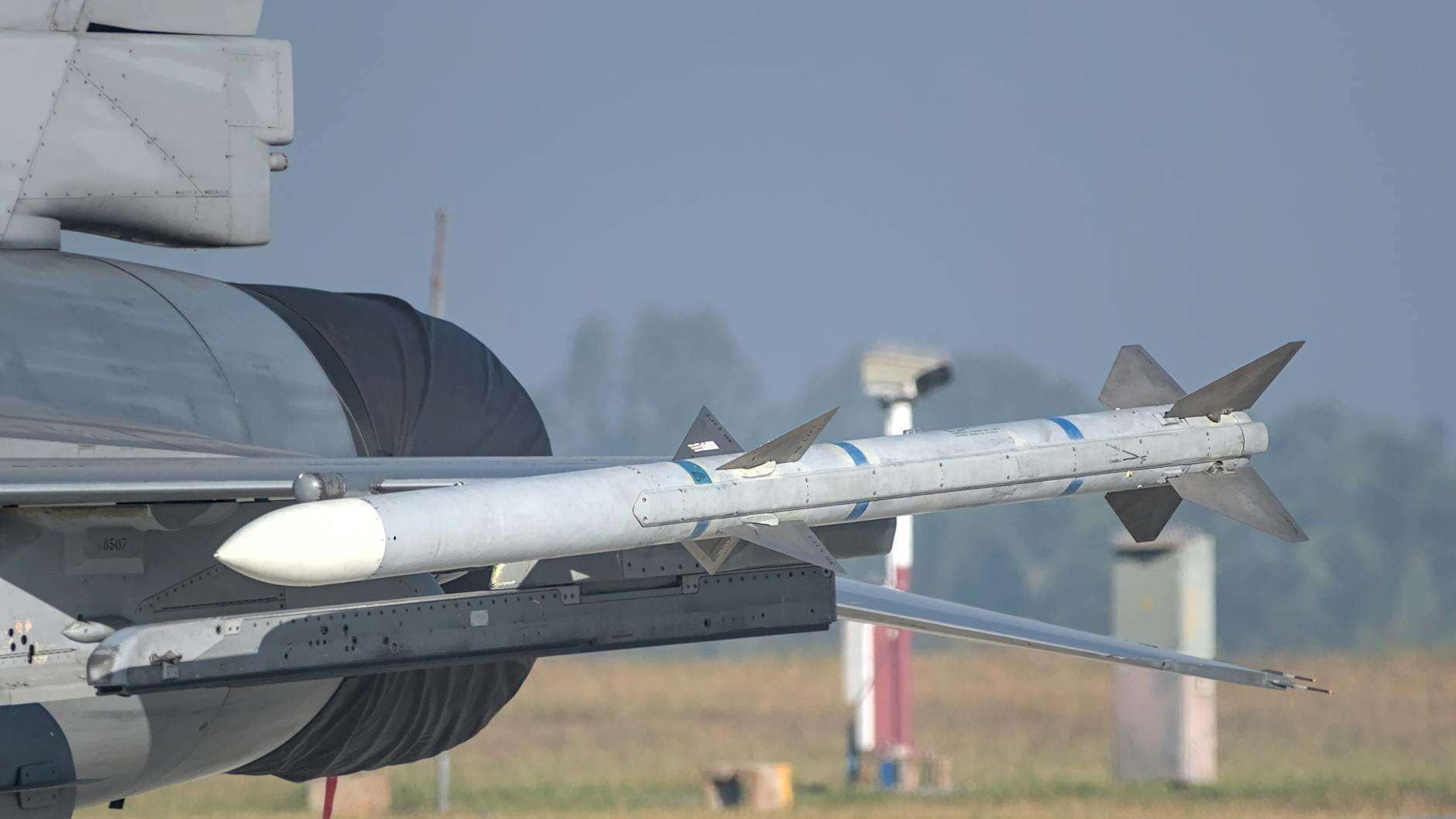
Japan has taken a significant step in bolstering its military capabilities with the operational deployment of the Type 25 series of long-range strike missiles. This development, announced by Japan's Ministry of Defense, marks the country's first introduction of hypersonic and anti-ship missile technology capable of striking targets over 1,000 kilometers away. The Type 25 series comprises both surface-to-ship (SSM) and hypervelocity gliding projectile (HGP) variants, reflecting a dual approach to enhancing Japan's maritime and land attack capabilities. This move comes amidst rising regional tensions, particularly concerning China's military assertiveness in the East China Sea and continued North Korean missile tests.
The strategic implications of this deployment are profound. By basing these advanced missile systems at the Kengun Western Army base in Kyushu, Japan significantly extends its reach across the southwestern maritime region. This positioning not only enhances Japan's deterrence capabilities but also provides a strategic counterbalance to potential threats posed by adversarial naval forces operating in nearby waters. The Type 25 missiles are expected to play a critical role in Japan's broader defense strategy, which has increasingly focused on enhancing its deterrent capabilities against both state and non-state actors in the region.
Japan's missile development program is part of a larger trend of military modernization and security realignment, influenced by shifting geopolitical dynamics in the Asia-Pacific region. As China continues to expand its navy and assert its claims over contested territories, Japan's defense posture has evolved from a strictly defensive stance to one that incorporates offensive capabilities. The incorporation of hypersonic technology into Japan's arsenal adds a new layer of complexity to regional security calculations. Hypersonic missiles, known for their speed and maneuverability, pose significant challenges for existing missile defense systems, making them a formidable addition to Japan's military capabilities.
Furthermore, the Type 25 series enhances Japan's ability to conduct joint operations with allies, particularly the United States. The integration of advanced missile systems into Japan's defense framework aligns with U.S. efforts to strengthen trilateral security cooperation among allies in the Indo-Pacific region, including Australia and South Korea. Joint exercises and interoperability initiatives are likely to intensify as Japan seeks to align its military capabilities with those of its allies, creating a more cohesive deterrent posture in the face of evolving threats.
However, this development is not without its challenges and criticisms. Japan's military expansion, particularly the introduction of offensive strike capabilities, raises concerns among neighboring countries, especially China and South Korea. These nations may perceive Japan's actions as a deviation from its post-World War II pacifist constitution, potentially fueling an arms race in an already volatile region. Moreover, Japan must navigate the delicate balance between enhancing its national security and maintaining regional stability, a task that will require deft diplomatic maneuvering alongside its military advancements.
In the coming months, the focus will likely shift to how Japan integrates these capabilities into its operational doctrine and the potential responses from neighboring countries. Observers will be keenly watching for any adjustments in Japan's defense posture, particularly in terms of joint exercises with the U.S. and responses from China and North Korea. Additionally, the effectiveness of the Type 25 missiles in real-world operational scenarios will be scrutinized, especially as Japan navigates its evolving role within the broader security architecture of the Asia-Pacific region. As tensions continue to simmer, Japan's military developments will be a critical factor in shaping the future of regional security dynamics.