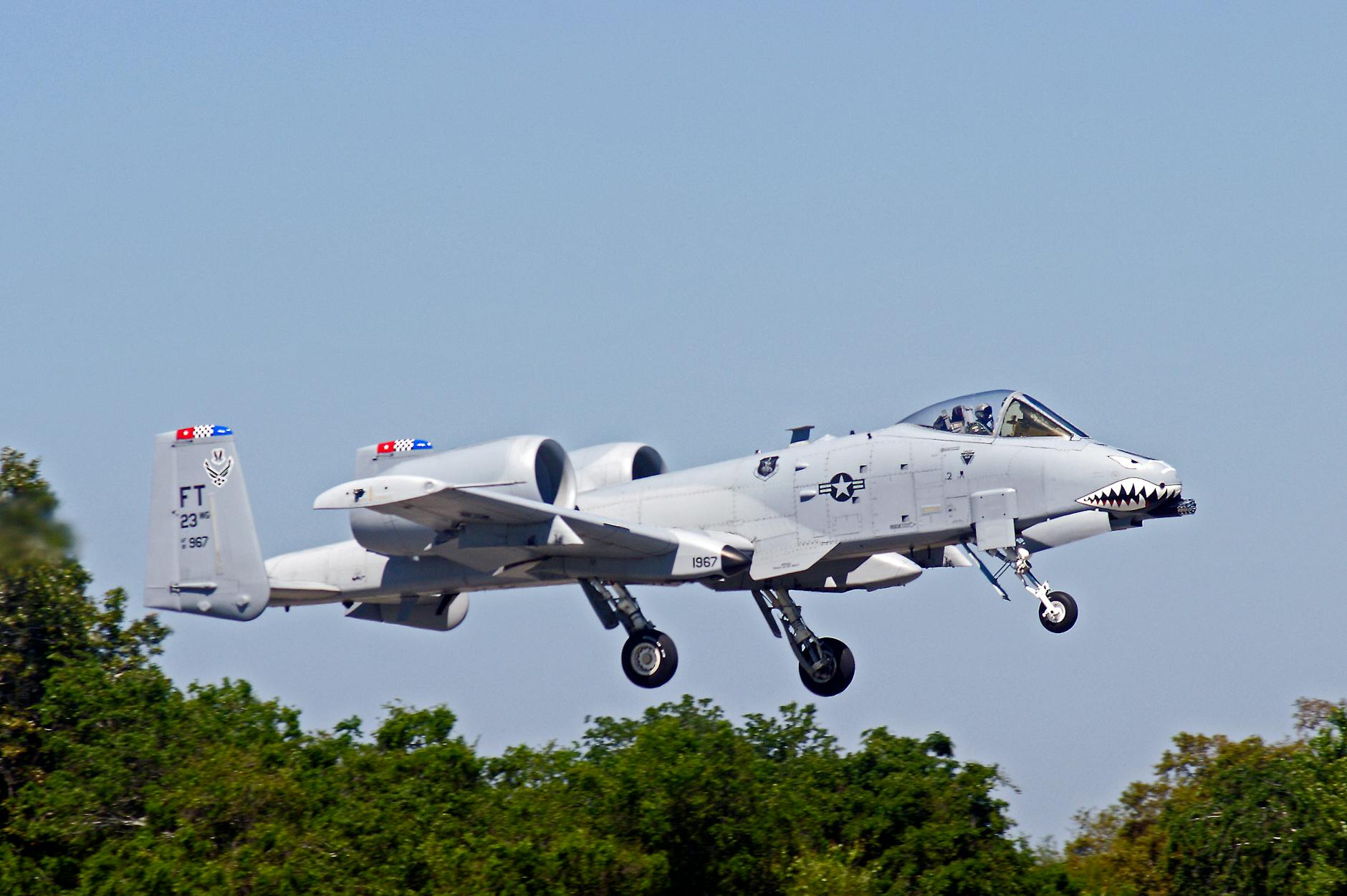
A U.S. Air Force A-10 Thunderbolt II reportedly crashed near the Strait of Hormuz at around the same time an F-15E fighter jet was shot down. The incidents raise significant concerns regarding air operations and military tensions in a strategically vital region, where the United States maintains a heavy military presence to safeguard maritime routes critical for global oil shipments. This crash adds to a growing list of operations and engagements that highlight the precarious nature of U.S. military assets in the Middle East amid escalating regional tensions.
The A-10, known for its close air support capabilities, is designed to engage ground targets, providing essential assistance to ground forces during combat operations. Its unique design features, including a 30mm GAU-8/A Avenger cannon and the ability to loiter for extended periods, make it a valuable asset in any aerial engagement. The crash near the Strait of Hormuz, coupled with the downing of an F-15E, underscores the risks associated with conducting air operations in an area historically fraught with conflict and aggression, particularly by Iranian forces.
Geopolitically, the Strait of Hormuz serves as a critical chokepoint for maritime traffic, with approximately 20% of the world's oil passing through this narrow waterway. The region has witnessed increased military maneuvers, including Iranian naval exercises and U.S. deployments, as tensions have escalated over Iran's nuclear ambitions and its support for proxy groups throughout the Middle East. The simultaneous incidents involving U.S. aircraft could indicate heightened operational challenges or threats posed by adversarial forces in this contested area.
The downing of the F-15E fighter jet also raises questions about the capabilities of Iranian air defense systems. Despite U.S. technological superiority, the proliferation of advanced weaponry and systems among regional adversaries poses a significant risk to American air assets. The Iranian military has made strides in enhancing its air defense infrastructure, which could explain the recent uptick in incidents involving U.S. aircraft. As such, this moment may serve as a wake-up call regarding the need for updated strategies to protect American forces operating in the region.
Furthermore, the crash of the A-10 could have implications for ongoing U.S. military operations in Iraq and Syria. With the A-10 serving as a key platform for counter-insurgency and close air support, any loss of this aircraft could hinder the effectiveness of U.S. ground operations against remaining ISIS elements and other militant groups. The U.S. Air Force must swiftly assess the cause of the crash, whether mechanical failure or hostile action, to mitigate future risks.
In response to these incidents, U.S. Central Command may consider adjusting its operational posture in the region, potentially leading to an increased presence of air assets or a review of current mission parameters. Enhanced coordination with allied forces and improved intelligence-sharing mechanisms could also be essential in countering threats effectively.
Looking ahead, the defense community will closely monitor the U.S. response to both the A-10 crash and the downed F-15E. It will be critical to observe whether the incidents provoke a change in U.S. military strategy in the region, particularly in terms of air operations and engagement rules. Additionally, any Iranian responses or retaliatory actions could further escalate tensions, prompting broader implications for U.S. interests and security in the Middle East. As the situation develops, the focus will remain on understanding the balance of power and the operational readiness of U.S. military forces in this high-stakes environment.