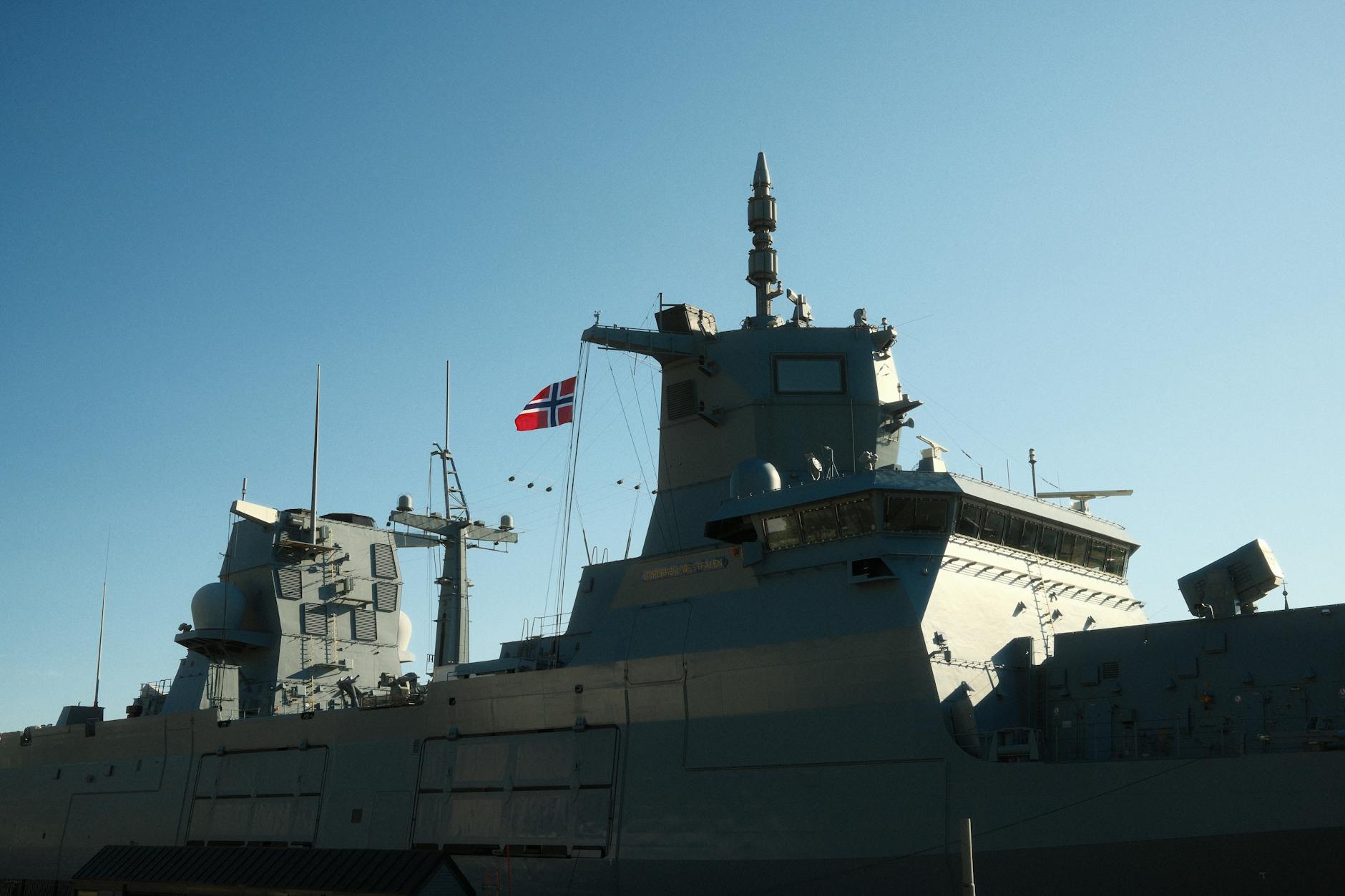
The United Kingdom has deployed military assets to deter potential Russian submarine threats targeting undersea communications cables, a move that underscores escalating tensions in the North Atlantic. Norway's defense ministry has also joined in this initiative, dispatching a P-8 maritime patrol aircraft and a frigate to bolster maritime surveillance and deterrence. This coordinated effort reflects growing concerns among NATO allies regarding the vulnerability of critical undersea infrastructure, which is essential for global communication and economic stability.
Undersea cables, which convey approximately 95% of international data traffic, have increasingly become focal points in the maritime domain. In recent years, intelligence assessments have indicated a rising interest from Russian naval forces in these cables, particularly in the context of hybrid warfare strategies that could disrupt communications during a crisis. The UK's decision to deploy military assets, including submarines and surface ships, is a clear signal of its commitment to safeguarding these vital connections against potential hostile actions.
The geopolitical context surrounding this deployment is complex. The resurgence of Russian naval capabilities, particularly in submarine warfare, has shifted the strategic calculus in the North Atlantic. NATO's Enhanced Forward Presence, established in the wake of Russia's annexation of Crimea, has aimed to deter aggression in Eastern Europe, but the threat to undersea infrastructure presents a unique challenge that requires a more nuanced approach. Russian submarine activity has intensified in the region, with reports of increased patrols and maneuvers that raise alarms among NATO member states, especially those with extensive undersea cable networks.
Norway’s involvement in this maritime security initiative is also significant. As a member of NATO and a country strategically positioned along key maritime routes, Norway plays a crucial role in the alliance's collective defense strategy. The deployment of a P-8 maritime patrol aircraft enhances surveillance capabilities, allowing for real-time monitoring of submarine activities in and around the North Sea. The Norwegian frigate further extends the maritime operational reach, providing both deterrent and response capabilities in a potential crisis scenario.
Analysts have noted that this cooperative military stance is indicative of an evolving security environment where the lines between traditional military operations and cyber warfare increasingly blur. Protecting undersea cables is not merely a naval issue; it intersects with national security, economic stability, and the integrity of information systems. The UK and Norway’s proactive measures are thus part of a broader strategy to ensure resilience against asymmetric threats that could exploit these vulnerabilities.
The implications of this deployment extend beyond immediate deterrence. It sends a strong message not only to Moscow but also to other adversaries considering actions that may jeopardize global communication networks. As NATO evaluates its maritime strategies in the face of renewed threats, the emphasis on undersea security will likely become a central theme in future defense planning and military exercises.
Looking ahead, stakeholders should monitor several key developments. First, the effectiveness of these deployments in actual deterrence will be scrutinized, particularly in light of any provocations from Russian forces. Additionally, NATO's response strategies concerning undersea warfare and infrastructure protection will be critical as member states reassess their maritime capabilities. Finally, the potential for increased collaboration among NATO allies in intelligence sharing and joint exercises aimed at undersea security could reshape the operational landscape in the North Atlantic and beyond. As tensions remain high, vigilance in maritime operations will be paramount to ensure the safety and security of critical undersea infrastructure.