Concerns are rising over the potential actions of Iranian-backed Houthi rebels, who may threaten to close the strategic Bab el-Mandeb Strait. In response, a Red Sea Task Force is reportedly gearing up for military operations to secure this vital maritime route. The implications of such an escalation could be profound, exacerbating an already precarious global oil crisis and potentially opening a new front in an ongoing regional conflict.
The Bab el-Mandeb Strait is one of the world’s most critical chokepoints, connecting the Red Sea to the Gulf of Aden and serving as a major artery for international maritime trade. Approximately 10% of global oil shipments pass through this narrow waterway, making it a focal point of geopolitical tensions. The Houthis, who have been engaged in a protracted conflict with the Saudi-led coalition since 2015, are reportedly increasing their military capabilities, raising alarms about their potential to disrupt shipping lanes. Their recent rhetoric suggests an intent to assert greater control over this strategic passage, which could have dire consequences for global energy markets.
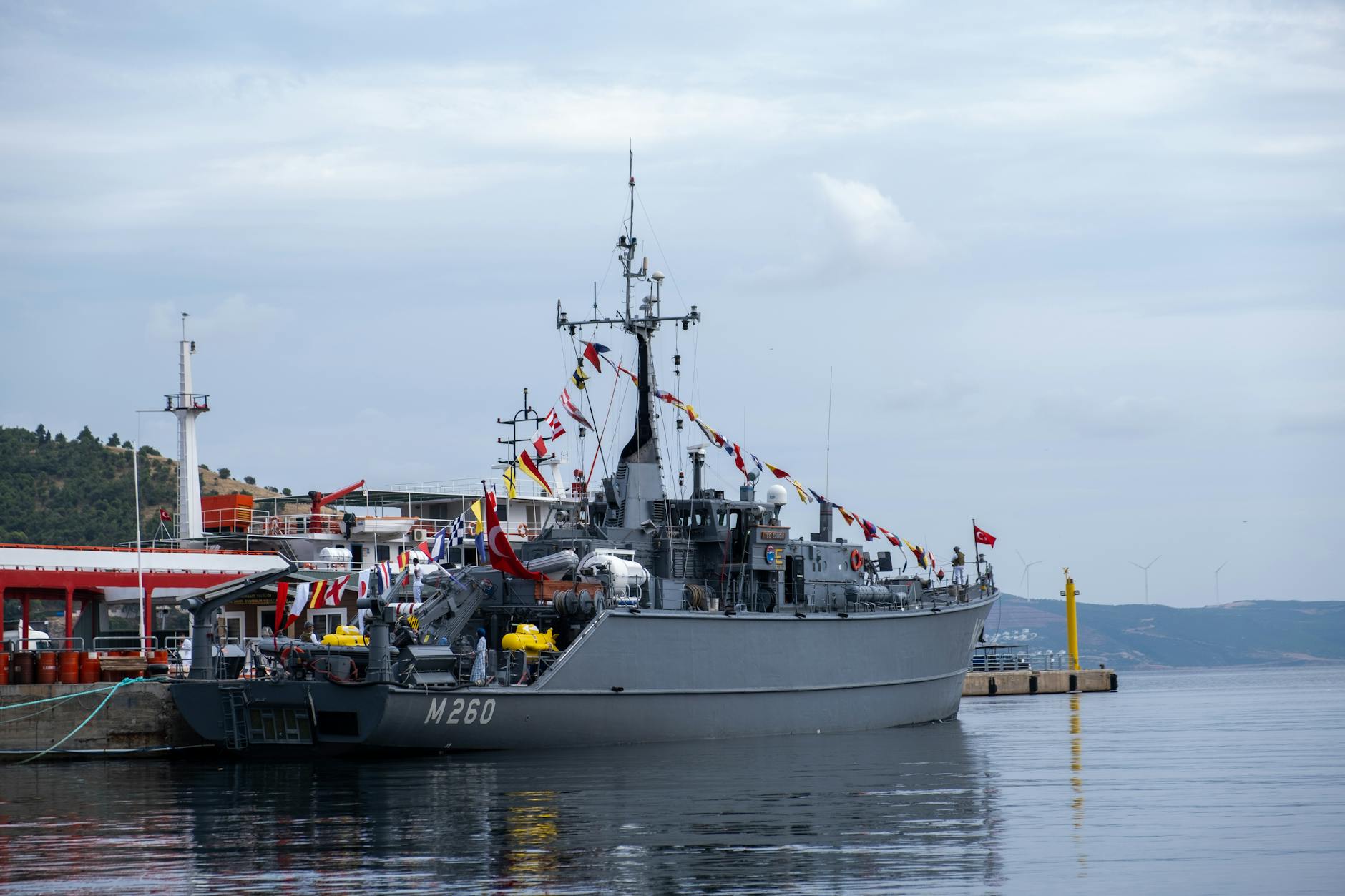
The Red Sea Task Force, a coalition of naval assets from multiple nations, has reportedly been put on high alert to counter any Houthi actions that could threaten the Strait. This force is part of a broader international effort to ensure maritime security and freedom of navigation in the region, which has seen a rise in both targeted attacks and asymmetric warfare tactics employed by non-state actors. The readiness of this task force underscores the seriousness with which international stakeholders view the threat posed by the Houthis.
Geopolitically, the situation is further complicated by the Houthis' close ties to Iran, which has provided them with military support and sophisticated weaponry. This relationship not only emboldens the Houthis but also raises concerns among regional powers about Iran's influence in the Arabian Peninsula. The potential for a direct confrontation between Iranian proxies and U.S. interests, particularly in light of the ongoing tensions surrounding Iran's nuclear program, adds another layer of complexity to the situation.
The implications of a Houthi attempt to close the Bab el-Mandeb Strait extend beyond immediate military concerns. Should the Houthis succeed in disrupting maritime traffic, the resulting spike in oil prices would likely trigger global economic instability. The economic ramifications could be felt far beyond the Middle East, with significant impacts on energy-dependent economies. Furthermore, such a disruption would prompt a robust military response from regional and international powers, potentially escalating to broader hostilities in the region.
Military analysts are closely monitoring the situation, particularly the operational readiness of the Red Sea Task Force and its ability to counter Houthi maritime threats effectively. The task force's capabilities, including anti-ship missile defense systems and surveillance assets, will be crucial in deterring Houthi aggression and ensuring the secure passage of commercial vessels through the Strait.
Looking ahead, several factors warrant close attention. The Houthis' next moves, particularly any military demonstrations or attacks, will be critical in determining the immediate geopolitical landscape. Additionally, the international community's response, both diplomatically and militarily, will play a significant role in shaping the future of maritime security in the region. As tensions continue to simmer, the potential for miscalculation remains high, necessitating careful monitoring of both military deployments and diplomatic overtures to de-escalate the situation.
In conclusion, the growing threat from Houthi rebels to the Bab el-Mandeb Strait poses significant challenges to regional stability and global economic security. The readiness of the Red Sea Task Force reflects an urgent need to secure this vital maritime corridor as the situation develops. As the conflict unfolds, stakeholders must remain vigilant to avoid a broader confrontation that could have far-reaching implications for the Middle East and beyond.