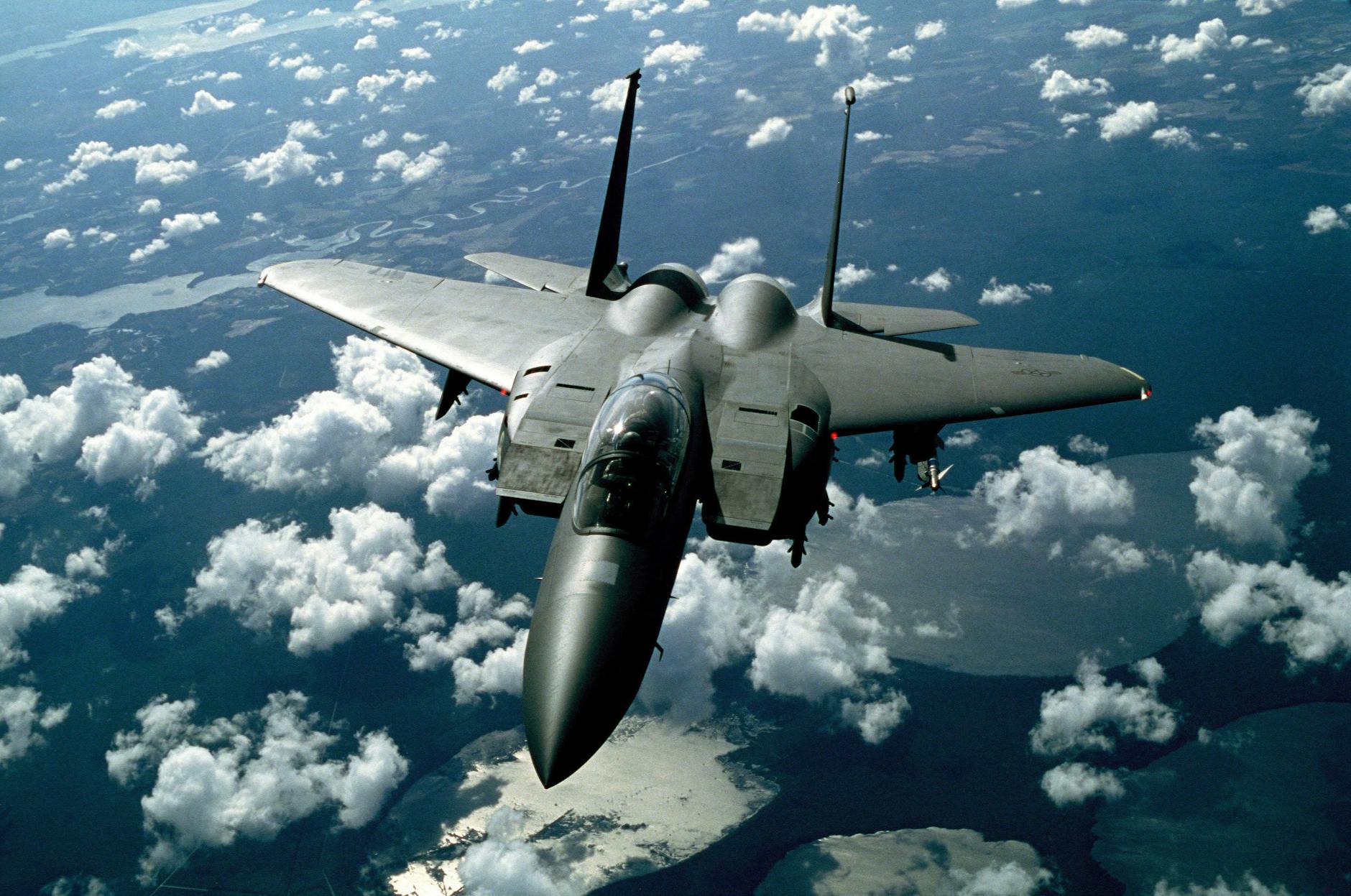
The RAT55 radar jet, shrouded in secrecy, has recently emerged to support NASA's Artemis II launch, signaling a potential evolution in its operational role. This development could have broader implications for both military operations and space exploration initiatives. Known for its unique capabilities and classified origins, the RAT55's involvement in a high-profile civilian space mission raises questions about the intersection of military assets and national space endeavors.
The RAT55, based on a Boeing 737 platform, has long been recognized as one of the most enigmatic aircraft within the U.S. military's arsenal. Traditionally employed for radar surveillance, electronic warfare, and other classified missions, the jet's recent appearance at a civilian event underscores a strategic pivot. By integrating military capabilities into NASA’s Artemis II launch, the RAT55 not only showcases the adaptability of military assets but also reflects the increasingly blurred lines between defense and civil space operations.
Geopolitically, this dual-use capability comes at a time when the U.S. is intensifying its focus on space as a critical domain of strategic competition. In the context of rising tensions with adversaries like China and Russia, the demonstration of advanced military technologies in support of civilian objectives could serve multiple purposes. It signals to allies and adversaries alike that the U.S. maintains a robust military presence in space, even if that presence is not overtly combative. Moreover, it reinforces the notion that space is essential for national security and must be safeguarded against potential threats.
The integration of military assets like the RAT55 into civilian missions also raises potential implications for international cooperation and competition in space. Countries with burgeoning space programs may view this as a demonstration of American technological prowess, potentially incentivizing them to ramp up their own military capabilities in response. Moreover, it could spark debates around the militarization of space and the need for international norms governing military activities in this domain.
From a tactical perspective, the RAT55's capabilities are particularly suited for missions that require real-time data collection and processing, which can be crucial during high-profile launches. Its radar systems can monitor airspace and provide data on airborne threats, ensuring the safety of the launch environment. This operational versatility is indicative of a broader trend within military aviation, where assets are increasingly being repurposed to meet diverse mission requirements.
As the RAT55 steps into this new phase of its career, defense analysts will be closely monitoring its future deployments and missions. The aircraft’s involvement in Artemis II could be just the tip of the iceberg; it may pave the way for further integration of military and civilian efforts in space. Observers should watch how the U.S. military continues to leverage its assets in support of national objectives, particularly in the context of emerging threats and challenges in the space domain.
In conclusion, the RAT55's recent support for NASA's Artemis II launch represents more than just a peculiar operational choice; it signifies a potential shift in the strategic use of military assets within the framework of national security and space exploration. As global competition in space intensifies, the implications of such developments will likely reverberate throughout military planning and international relations for years to come. The defense community and policymakers alike should remain vigilant in assessing the evolving role of military capabilities in this critical arena.