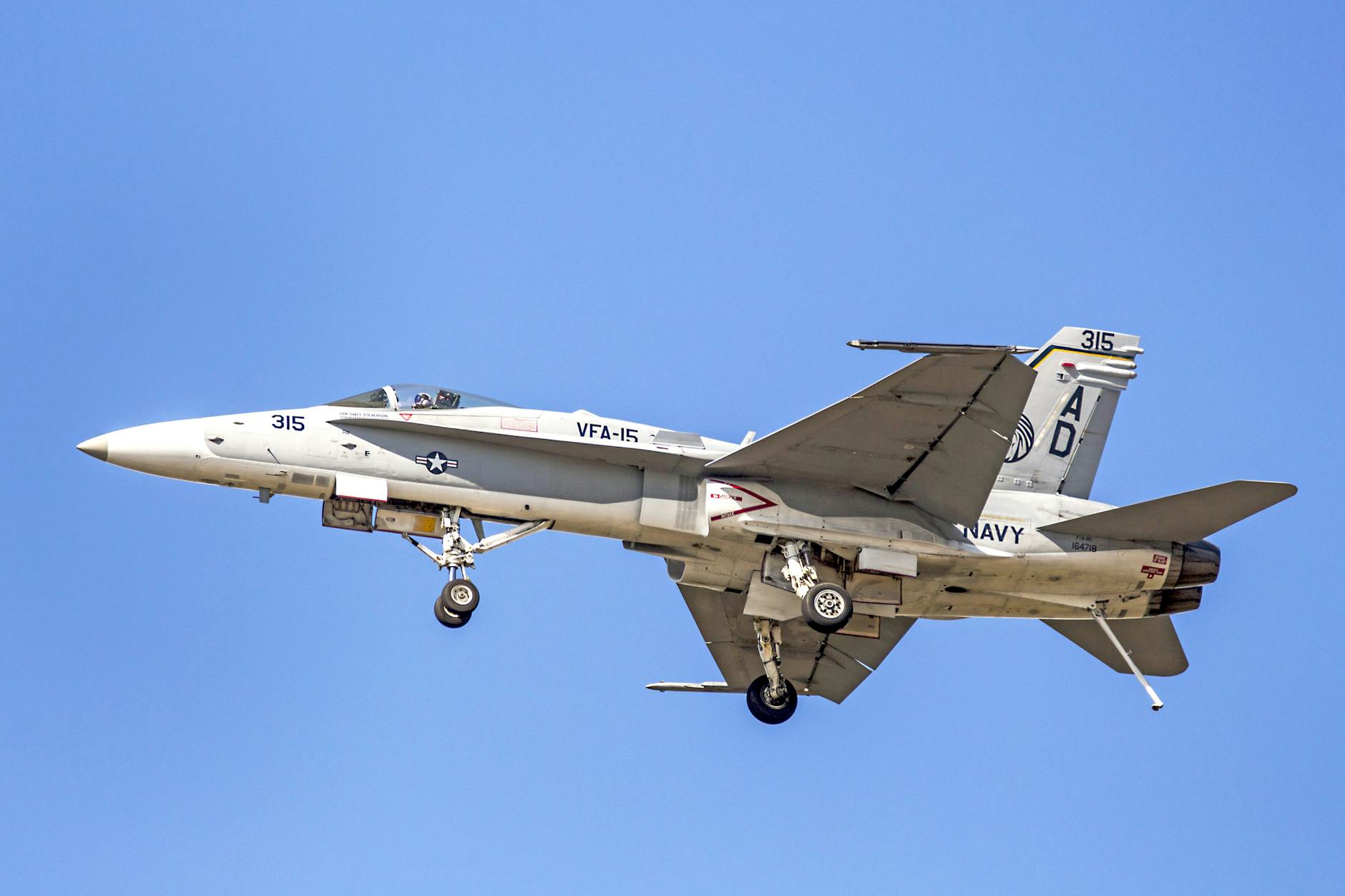
A US F-15E fighter jet was shot down over Iran, prompting a search and rescue operation for potential survivors. This incident marks a significant escalation in tensions within an already volatile region, raising concerns about the implications for US military operations and broader geopolitical stability.
The F-15E Strike Eagle has long been a mainstay of the US Air Force, renowned for its air-to-ground capabilities and versatility in combat operations. The aircraft was reportedly engaged in a reconnaissance mission when it was downed, although details surrounding the circumstances remain unclear. Iranian state media has claimed responsibility for the shootdown, which, if confirmed, underscores the growing sophistication of Iran's air defense systems. The implications of this event extend far beyond the immediate context of military engagement, as it could reshape US strategy in the Middle East.
Geopolitically, this incident occurs against a backdrop of heightened tensions between the US and Iran, particularly following the US's withdrawal from the Joint Comprehensive Plan of Action (JCPOA) in 2018 and the subsequent imposition of harsh sanctions. Iran's nuclear ambitions, coupled with its support for proxy groups across the region, have made it a focal point of US defense strategy. The downing of the F-15E may embolden Iranian forces and their allies, potentially leading to an escalation in asymmetric warfare tactics, such as increased drone strikes or missile attacks on US assets both in the region and elsewhere.
Moreover, this incident raises critical questions about US military readiness and the effectiveness of its deterrent posture in the Middle East. The F-15E is part of a larger air superiority and strike capability that the US has been refining for decades. The aircraft's loss not only represents a tactical setback but also raises significant concerns about the safety of US personnel operating in hostile environments, particularly in zones where anti-aircraft capabilities have been improved.
The US military's immediate response involves a search and rescue operation, which is inherently fraught with risk. Engaging in such operations requires precise intelligence and often necessitates close air support, which may further strain US resources in the region. The complexity of conducting a rescue mission in Iranian territory, where anti-aircraft threats are a reality, poses a significant challenge to US forces.
In the broader context of international relations, the downing of the F-15E may prompt a re-evaluation of US engagement strategies not only in Iran but across the region. The delicate balance of power, particularly in relation to US allies such as Israel and the Gulf States, could be affected. A strong response from the US might be anticipated, as failure to act decisively could be viewed as a weakness, potentially emboldening adversaries.
Looking ahead, analysts will be closely monitoring the US response to this incident, as well as Iran’s subsequent actions. Will the US ramp up its military presence in the Gulf? Will there be an increase in intelligence operations targeting Iranian capabilities? Additionally, domestic political repercussions for the Biden administration may arise, particularly as it grapples with maintaining an effective foreign policy while ensuring the safety of American personnel abroad.
In conclusion, the downing of the F-15E fighter jet over Iran is not merely an isolated military incident; it is a significant development that could influence the trajectory of US-Iran relations and the broader security landscape in the Middle East. Observers will be vigilant for the outcomes of the ongoing search and rescue operation and the potential military and diplomatic maneuvers that may follow in the coming days.