The search for a missing U.S. service member believed to be alive and evading capture in Iran has taken a surprising turn, as Iranian officials indicate a willingness to engage in peace talks. This development comes in the wake of heightened tensions following former President Trump's recent threats to escalate military action against Iran. The juxtaposition of diplomatic openness amid threatening rhetoric raises critical questions about the strategic calculus of both nations and their respective allies.
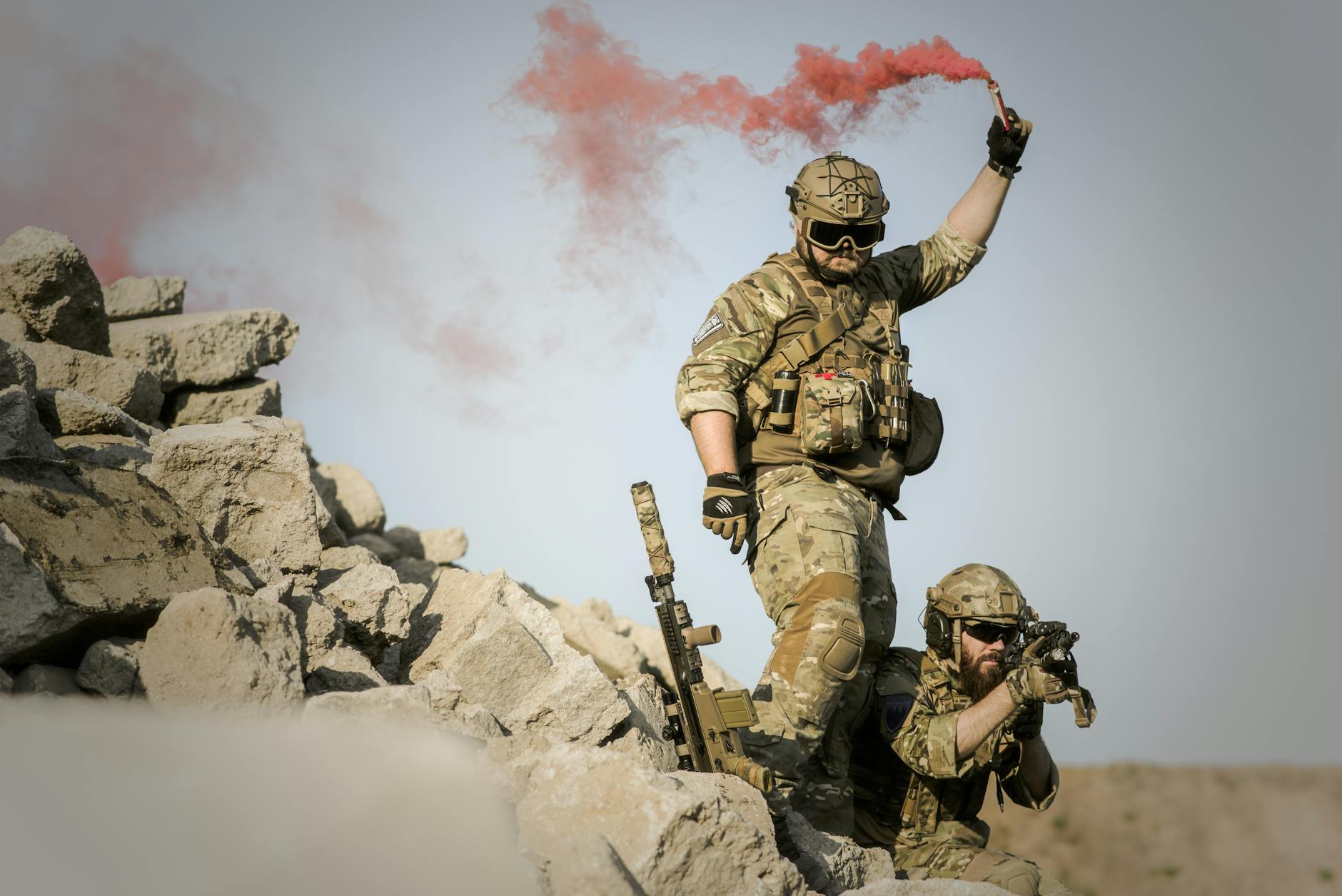
The U.S. service member's disappearance has created a precarious situation, not only for U.S. military operations but also for the broader geopolitical landscape in the Middle East. As the Pentagon conducts extensive search operations, including intelligence gathering and reconnaissance missions, the implications of a U.S. pilot potentially being captured or killed could have far-reaching consequences for U.S. military policy in the region. The possibility of the pilot being alive and on the run complicates the situation further, raising concerns about the potential for Iranian forces to exploit this incident or use it as leverage in any future negotiations.
The timing of Iran's signaling for dialogue is particularly noteworthy, coming just days after Trump’s provocative statements threatening to bomb Iran “back to the Stone Ages.” Such rhetoric not only heightens tensions but also complicates diplomatic efforts, as it may embolden hardliners within the Iranian regime. Iran's willingness to discuss peace could be interpreted as an effort to counteract these threats and maintain its national sovereignty, while simultaneously portraying itself as a rational actor on the global stage.
From a military perspective, the U.S. must weigh the potential risks of engaging in dialogue with Iran against the backdrop of its longstanding strategy in the region. The Iranian military, particularly the Islamic Revolutionary Guard Corps (IRGC), has demonstrated a willingness to engage in asymmetric warfare, utilizing proxy forces and cyber capabilities to project power. This creates a complex environment in which the U.S. must navigate carefully, balancing military readiness with diplomatic outreach.
Furthermore, the potential for peace talks could alter the dynamics of U.S. alliances in the region. Countries such as Saudi Arabia and Israel, which have historically viewed Iran as an existential threat, may react negatively to any overtures of reconciliation between the U.S. and Iran. This could lead to increased tensions among U.S. allies and potentially destabilize the already fragile security architecture in the Middle East.
The Iranian leadership faces its own challenges as well. Economic sanctions and internal dissent continue to pressure the regime, leading to a possible desire for a diplomatic breakthrough that could relieve some of these burdens. Engaging in dialogue with the U.S. could be seen as an opportunity for Iran to reset its international relations, but it also risks alienating hardline factions within the country that oppose any form of engagement with the West.
As the situation develops, observers should closely monitor how both nations navigate this complex landscape. Key indicators to watch include the U.S. military's response to the ongoing search for the missing pilot, the Iranian government's internal response to the call for dialogue, and any shifts in rhetoric from both sides. The potential for a diplomatic resolution remains uncertain, but the mere possibility of talks signifies a glimmer of hope amidst the backdrop of escalating tensions.
In conclusion, while the search for the missing U.S. pilot continues, Iran’s openness to peace talks introduces a delicate balancing act for U.S. policymakers. The unfolding dynamics will likely influence regional security, military strategy, and diplomatic relations for the foreseeable future. As both nations grapple with their respective challenges, the international community will be closely watching to see if this moment can lead to a de-escalation of tensions and a pathway toward a more stable Middle East.