
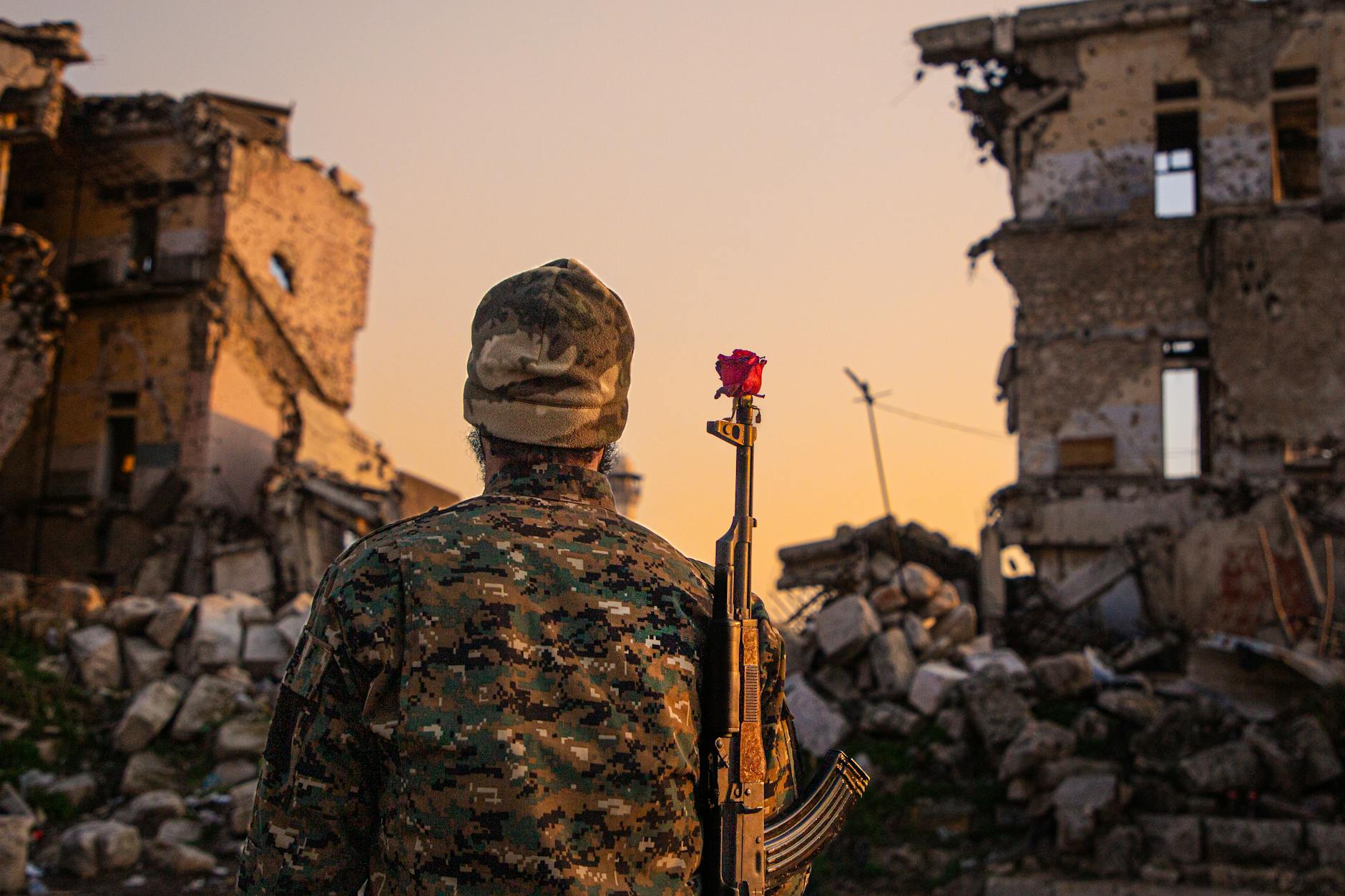
As the conflict escalates in South Lebanon, villagers are expressing a fierce determination to remain in their homes despite the ongoing violence. "My house is my only shelter, and I don’t want to leave it," one villager told Breaking Defense, illustrating the deep connection residents have to their land. This sentiment echoes a broader struggle in the region, where the interplay of military operations and civilian resilience shapes the narrative of an enduring conflict.
The current situation in South Lebanon is rooted in a complex matrix of historical grievances, regional rivalries, and national security considerations. The area has long been a flashpoint for conflict, particularly between the Lebanese state, Hezbollah, and Israel. The ongoing hostilities have intensified following a series of cross-border skirmishes and retaliatory strikes, which have brought renewed attention to the civilian population caught in the crossfire. Villagers in this region are not merely passive victims; they are active participants in a narrative of survival, holding onto their homes and identities in the face of adversity.
Strategically, South Lebanon serves as a critical theater for several key players in the Middle East. Hezbollah, a Shiite militant group backed by Iran, has established a significant presence in the region, positioning itself as a defender of Lebanese sovereignty against perceived Israeli aggression. This dynamic complicates the geopolitical landscape, as Israel regards Hezbollah's military capabilities—enhanced by Iranian support—as a direct threat to its national security. The recent uptick in violence has sparked concerns of a broader regional conflict, potentially drawing in external actors and destabilizing an already volatile area.
The humanitarian implications of the ongoing conflict cannot be overstated. Villagers, like the one quoted, embody a collective spirit of resilience, but this tenacity is tested daily as they face the dual threats of military operations and humanitarian crises. The destruction of infrastructure, disruption of essential services, and displacement of families exacerbate the already dire conditions. International organizations have raised alarms about the deteriorating situation, emphasizing the urgent need for humanitarian assistance and protection for civilians. Yet, the reality on the ground often negates such efforts, as the shifting tides of war complicate access and delivery of aid.
From a military perspective, the situation in South Lebanon highlights the challenges of conducting operations in densely populated areas. The presence of civilians complicates targeting decisions for military planners, as the risk of collateral damage increases. This reality underscores the importance of adhering to principles of distinction and proportionality under international humanitarian law, even as the lines between combatants and non-combatants blur in such environments. The ongoing conflict serves as a stark reminder of the human cost of warfare, particularly in regions where civilian lives are deeply intertwined with military objectives.
Looking ahead, the situation in South Lebanon remains fluid and unpredictable. Analysts will be closely monitoring the responses of both Hezbollah and Israel, particularly in light of any potential escalations. The international community's role will also be crucial in mediating tensions and providing humanitarian relief to affected populations. As villagers continue to assert their right to remain in their homes, the broader implications of this conflict may reverberate beyond Lebanon, influencing regional stability and international relations in the Middle East for years to come. The resilience displayed by these communities serves as both a powerful testament to human spirit and a poignant reminder of the fragility of peace in a region marked by enduring strife.