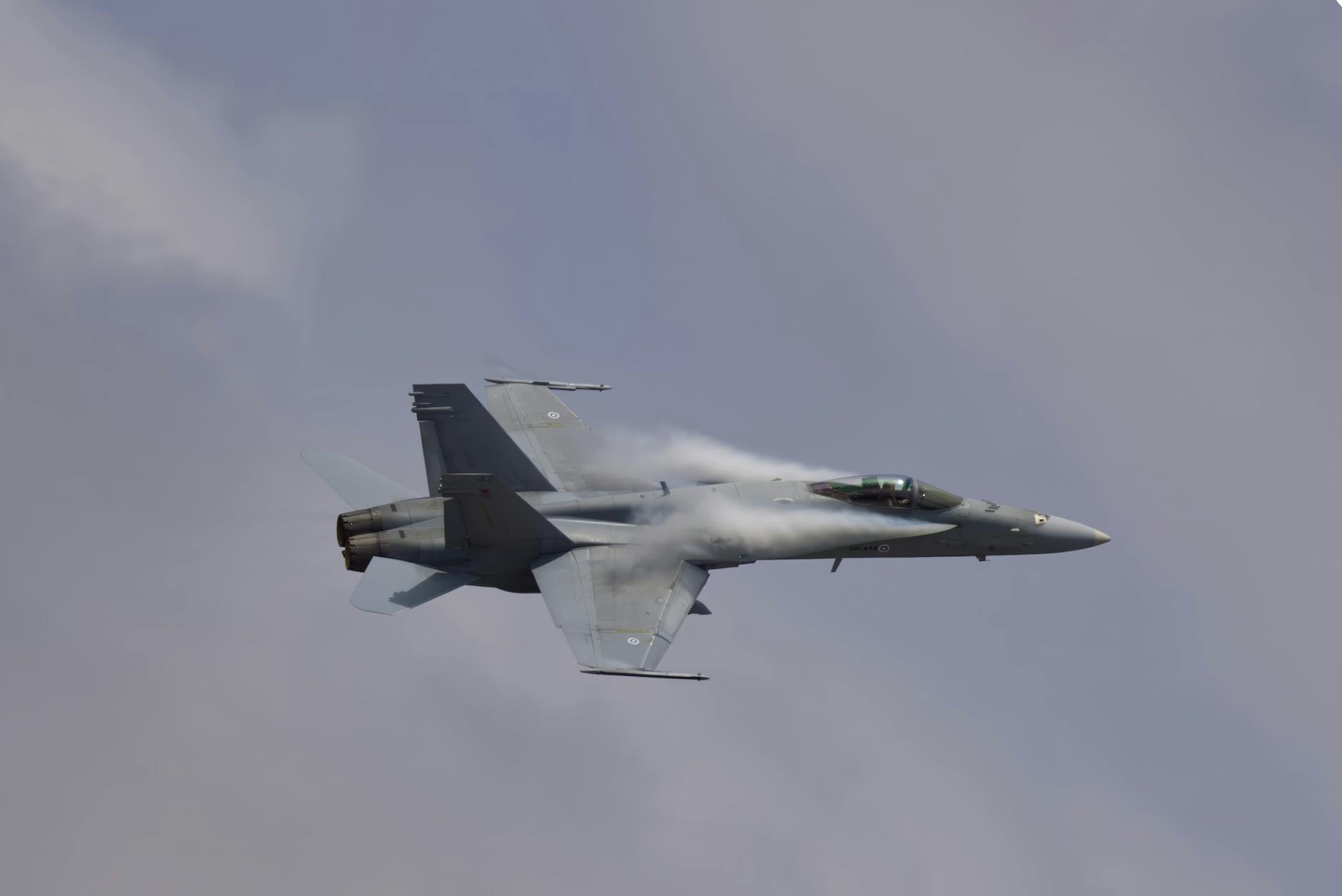
The downing of a US F-15E fighter jet over Iranian territory marks a significant escalation in military tensions between the United States and Iran. This incident is reportedly the first instance of a manned American aircraft being shot down in Iran during Operation Epic Fury, which aims to counter perceived threats from Iranian military activities in the region. As rescue operations are currently underway, the implications of this engagement extend well beyond the immediate operational context, raising serious questions about the evolving strategic landscape in the Middle East.
Operation Epic Fury, launched in response to Iran's aggressive posturing and increased military capabilities, has seen a heightened presence of US air power in the region. The F-15E, a multirole fighter jet renowned for its versatility in both air-to-air and air-to-ground operations, was likely conducting missions to gather intelligence or provide air support to allied forces when it was engaged. The specifics surrounding the incident are still unfolding, but initial reports suggest that the aircraft was brought down by an Iranian surface-to-air missile system, possibly upgraded with technology acquired from Russia or China.
Geopolitically, the downing of a US aircraft represents a significant shift in the power dynamics within the region. Iran has long sought to demonstrate its military capabilities to deter foreign intervention in its affairs, particularly from the United States and its allies. This incident may embolden Iranian forces, as they perceive a tactical victory against a technologically superior adversary. Conversely, it raises the stakes for US military operations, prompting an urgent reassessment of air combat tactics and rules of engagement in Iranian airspace.
The Iranian government has publicly celebrated the downing of the F-15E, framing it as a testament to the nation's military advancements and resolve against foreign aggression. This incident comes at a time of heightened tensions following the collapse of nuclear negotiations and ongoing skirmishes in the region, including maritime confrontations in the Strait of Hormuz. Iran's ability to target and bring down an American fighter jet could also embolden proxy forces across the region, encouraging them to engage in more aggressive actions against US interests.
For the US military, the incident raises several operational considerations. First, the effectiveness of Iranian air defense systems warrants a comprehensive evaluation. The US has maintained a strategic advantage in air power, but this incident indicates potential vulnerabilities that could be exploited in future engagements. Additionally, the safety of the downed pilot will be a priority, and the ongoing rescue operations will need to balance urgency with the risk of escalating the situation further. Should rescue efforts encounter significant resistance, it could lead to an escalating conflict, heightening the risk of wider military engagement.
Moreover, as the international community watches, the ramifications of this incident extend into diplomatic arenas. US allies in the region may feel increased pressure to reassess their defense postures and relationships with Washington. A successful rescue operation could reaffirm US military capabilities and commitment to protecting its personnel, while failure could undermine confidence in American resolve and capabilities.
Looking ahead, several critical factors will shape the unfolding situation. The trajectory of US-Iran relations is likely to be influenced by the outcomes of the ongoing rescue operations and the subsequent military response from the United States. Furthermore, the international community's reaction, particularly from European allies and regional partners, will play a crucial role in determining the next steps in US strategy within the Middle East. Observers should monitor how both the US and Iran respond in the coming days, as these actions will significantly impact the regional security landscape and the potential for further military escalation.