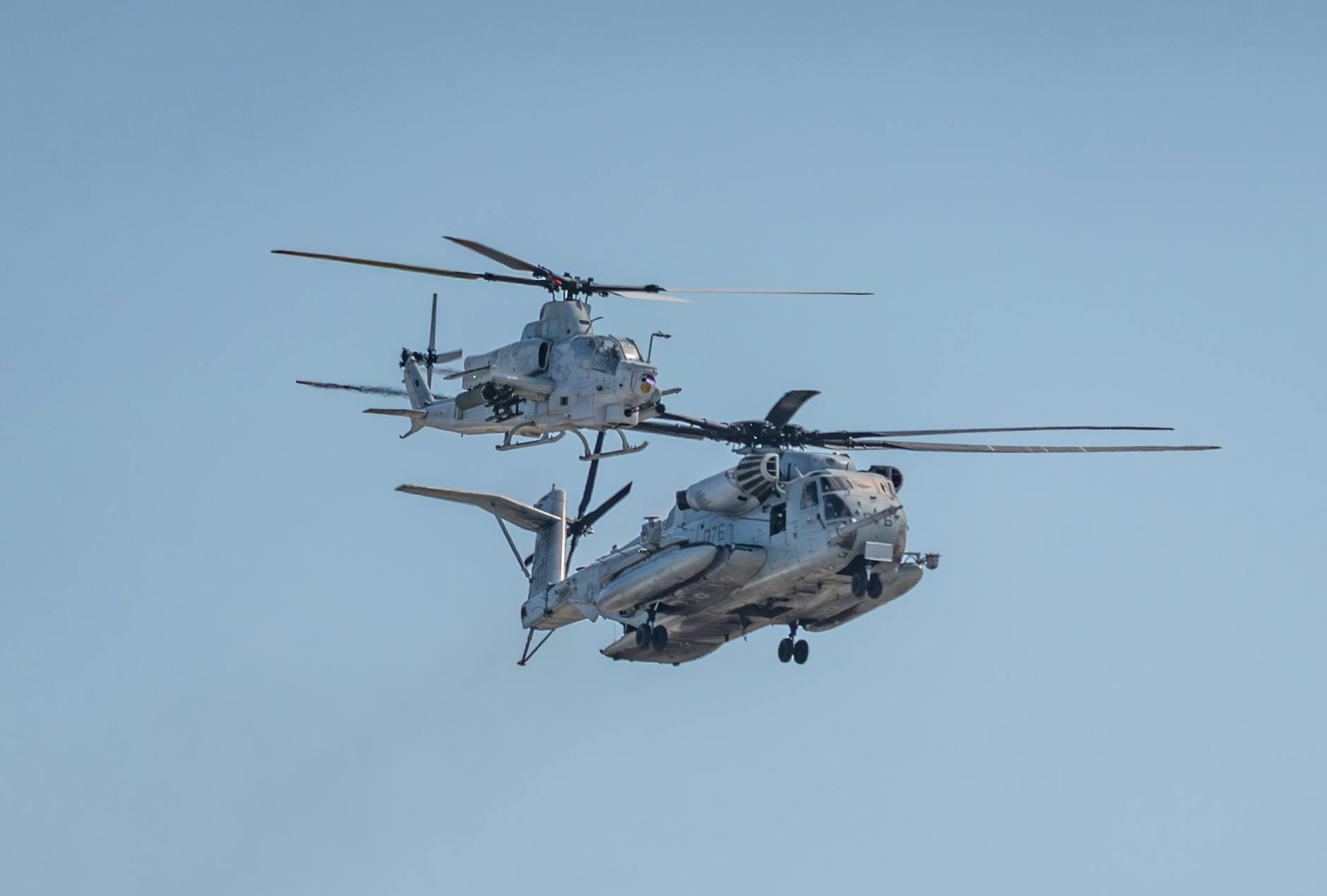
In a significant development, at least one AH/MH-6 Little Bird helicopter has been destroyed at a forward landing site in Iran, a location that recently served as a hub for a rescue operation involving an F-15E weapons systems officer (WSO). The visual evidence of the burned-out helicopter not only underscores the risks associated with U.S. military operations in hostile territories but also raises critical questions regarding operational security and the evolving dynamics of military engagement in the region.
The AH-6 Little Bird, a derivative of the OH-6 Cayuse, is primarily utilized by U.S. special operations forces, particularly the Night Stalker units. These helicopters are known for their versatility, speed, and agility, making them ideal for a range of missions, including reconnaissance, direct action, and personnel recovery. Their destruction at this forward site signals a potential breach in operational security, suggesting that Iranian forces may have gained intelligence on U.S. operations in the area. The implications of this intelligence loss could be far-reaching, impacting not only current mission profiles but also future operational planning.
Geopolitically, the incident highlights the escalating tensions between the United States and Iran. Following the U.S. withdrawal from Afghanistan, the region has witnessed a resurgence of various militant groups and an increase in Iranian influence. The recent rescue operation involving the F-15E WSO, which reportedly faced mechanical issues over Iranian airspace, underscores the precarious nature of U.S. military operations in an increasingly adversarial environment. The use of forward operating sites like the one where the AH-6s were destroyed is a double-edged sword; while they enable rapid response capabilities, they also expose U.S. forces to heightened risks.
The destruction of the Little Bird helicopters may also serve as a strategic signal from Iran. The Iranian military, bolstered by recent advancements in drone technology and asymmetric warfare tactics, has been increasingly assertive in the region. This incident could be interpreted as a demonstration of Iranian capabilities and willingness to confront U.S. military assets directly. Moreover, it raises the specter of retaliatory measures against U.S. forces, particularly if the Iranian government perceives this as a violation of their sovereignty.
From a military perspective, the loss of these helicopters underscores the challenges faced by U.S. forces in conducting operations in hostile territory. The reliance on forward operating bases, while strategically advantageous, requires robust security measures to protect assets and personnel. The vulnerability of these bases to intelligence gathering and potential attacks from adversarial forces must be addressed in future operational planning. Enhanced counterintelligence and security protocols may be necessary to mitigate risks associated with future missions.
Additionally, this incident may lead to a reevaluation of engagement strategies in Iran and surrounding regions. The U.S. military may need to consider alternative tactics, such as increased reliance on unmanned aerial vehicles (UAVs) for reconnaissance and strike missions, which could reduce the risk to personnel and manned assets. As the nature of warfare continues to evolve, adapting to new threats and operational environments will be paramount for U.S. military effectiveness.
Looking ahead, the international community will be closely monitoring the fallout from this incident. Future U.S. operations in the region may be scrutinized more intensely as policymakers grapple with the implications of this loss. Observers should watch for potential Iranian responses, both in terms of military posturing and diplomatic maneuvers. Moreover, the U.S. military’s approach to operational security in the region could be significantly influenced by the lessons learned from this incident. The balance between maintaining operational readiness and ensuring the safety of personnel and equipment will remain a critical focus for U.S. defense planners in the coming months.