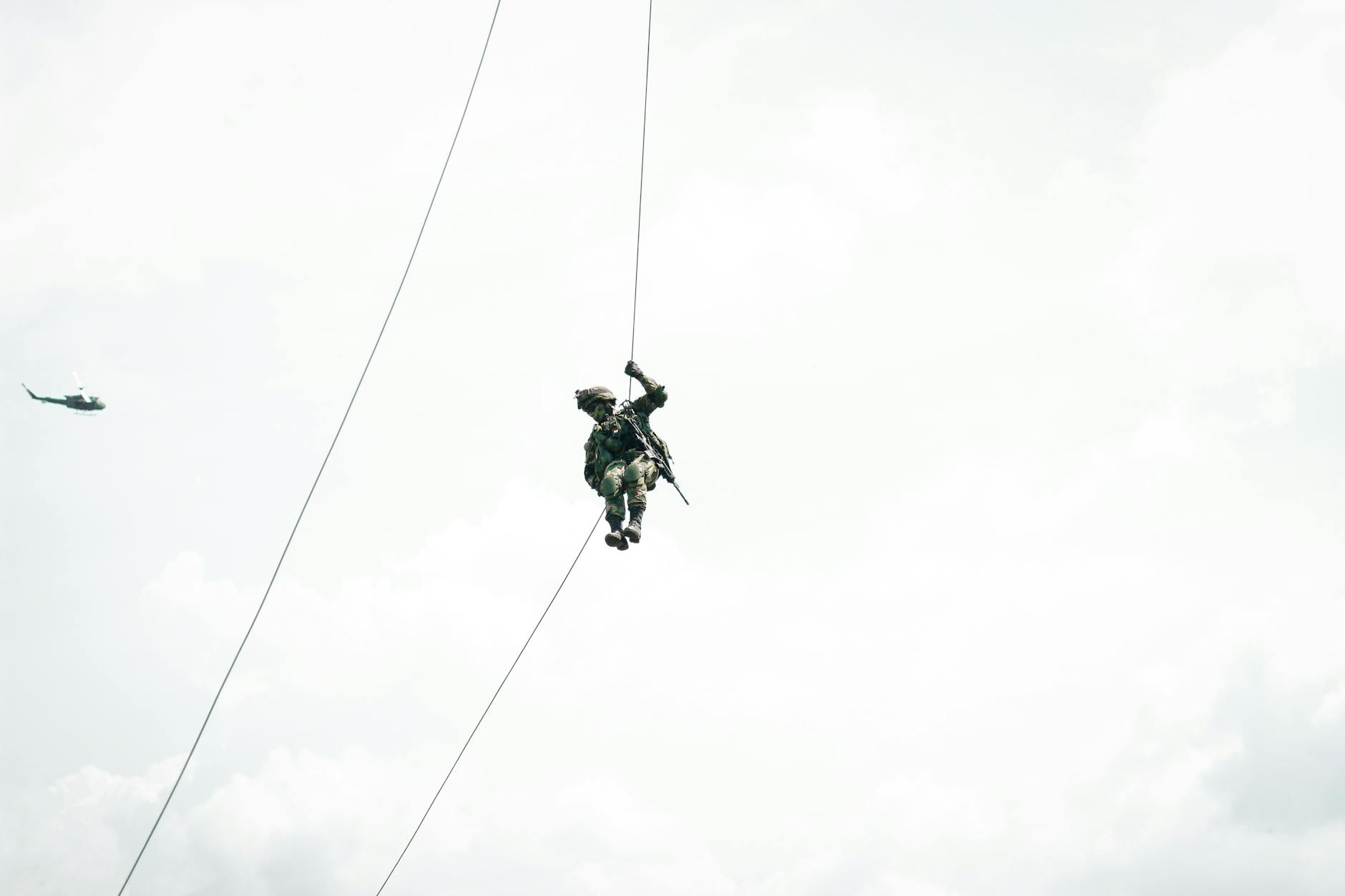
The recent rescue of a Weapon Systems Officer (WSO) from an F-15E fighter jet shot down over Iranian territory highlights both the capabilities and risks associated with U.S. military operations in increasingly hostile environments. The operation, executed by U.S. special operations forces, reportedly involved a fierce firefight that underscored the challenges of conducting high-risk rescue missions in a country with significant anti-aircraft capabilities and a complex geopolitical landscape.
The incident took place amid heightened tensions in the Middle East, where U.S. forces have been engaged in a multi-faceted approach to counter Iranian influence and protect American interests. The F-15E, known for its versatility and advanced strike capabilities, was reportedly conducting routine operations when it encountered technical difficulties, leading to its downing. The rapid response by U.S. special operations personnel not only exemplifies the effectiveness of American military capabilities but also reflects the high stakes involved in maintaining air superiority and operational readiness in such contested areas.
Iran's robust air defense system, which includes various surface-to-air missile systems, poses a significant threat to any aerial operations. The successful recovery of the WSO demonstrates the U.S. military's commitment to ensuring the safety of its personnel, even in the face of formidable opposition. The operation was not without risk, given Iran's willingness to engage U.S. forces and the potential for escalation that a rescue attempt could provoke. The fierce firefight that ensued during the extraction indicates that Iranian forces were quick to respond, highlighting the volatile nature of military engagements in the region.
Geopolitically, this incident comes at a time when U.S.-Iran relations are particularly strained. The ongoing tensions surrounding Iran's nuclear program and its support for proxy groups across the Middle East complicate the security landscape. The U.S. has been keen to deter Iranian actions that threaten regional stability, and this rescue operation could be interpreted as a demonstration of resolve. It sends a clear message that the U.S. maintains the capability and willingness to protect its assets and personnel, even deep within adversarial territory.
Furthermore, the successful execution of this rescue operation may have implications for future military operations in the region. It could influence the tactics employed by U.S. forces, as well as the strategies of adversarial nations like Iran. The incident serves as a reminder of the importance of maintaining a strong special operations presence capable of rapid response in hostile environments. It also raises questions about the security of U.S. aircraft operating in high-risk areas and the measures taken to mitigate the risks of being shot down.
As military analysts assess the broader implications of this event, attention will inevitably turn to the potential for increased Iranian military engagement in response to the U.S.'s bold actions. Iran may seek to bolster its air defense systems, enhance its countermeasures, or employ asymmetric tactics to deter future American operations. Additionally, the incident could provoke a reevaluation of U.S. military strategy in the region, particularly in balancing the need for operational freedom against the risks posed by adversarial forces.
Looking ahead, the international community will be watching closely to see how both the U.S. and Iran respond to this incident. The potential for an escalation in military operations or heightened rhetoric cannot be overlooked, and diplomatic channels will need to be navigated carefully to avoid further conflict. The U.S. military's commitment to protecting its personnel will undoubtedly remain a priority, but this event serves as a reminder of the complexities and dangers inherent in modern military engagements.