Turkey’s Roketsan has inaugurated new production facilities, marking a significant milestone in the nation's defense industry. CEO Murat Ikinci described this expansion as “the largest defense industry investments in the history of the Republic.” This development not only underscores Turkey's commitment to enhancing its military capabilities but also reflects broader geopolitical dynamics, particularly in light of increasing regional tensions and the need for self-sufficiency in defense production.
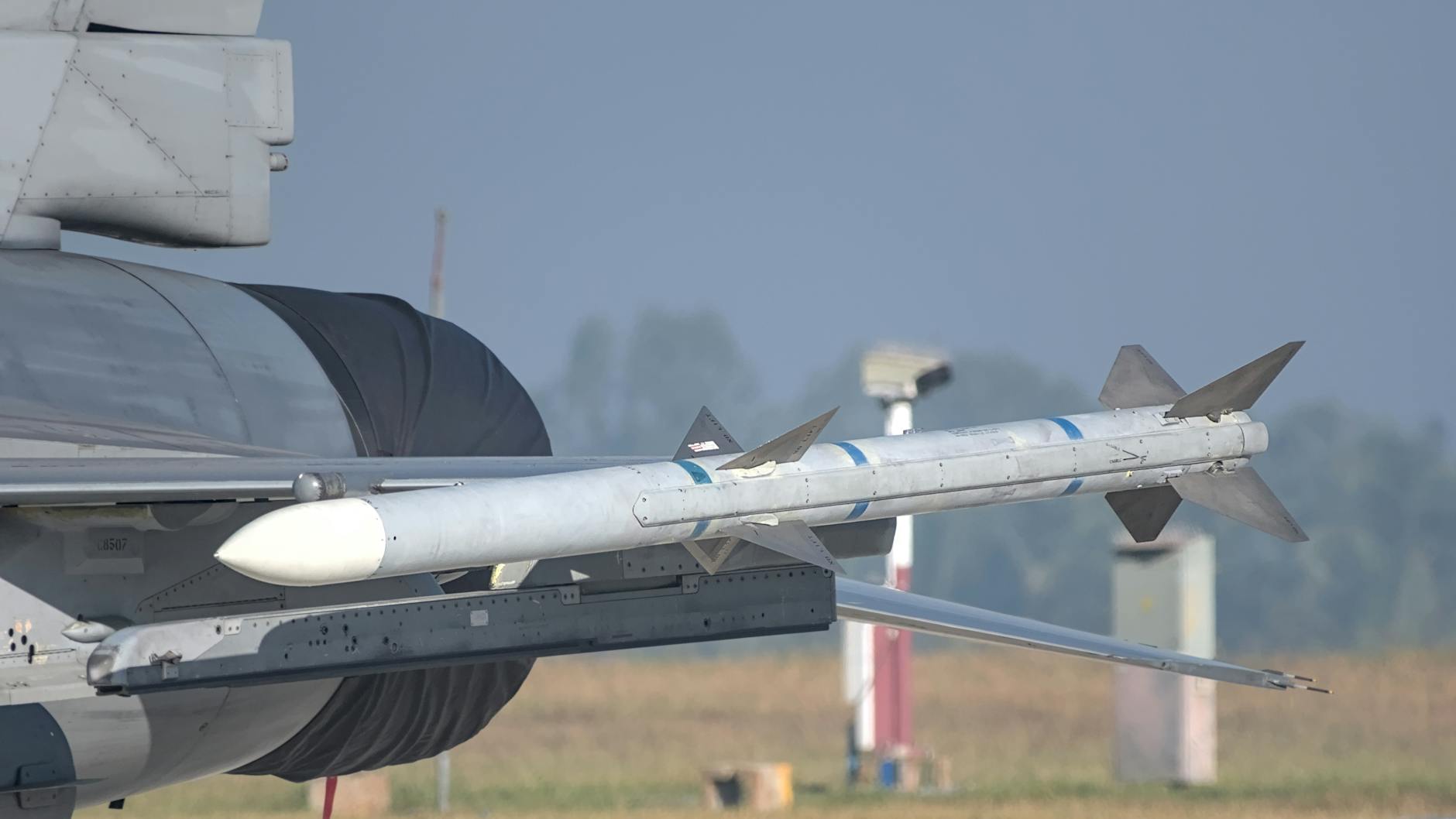
The new facilities are expected to bolster Roketsan’s capacity to manufacture advanced missile systems, including precision-guided munitions and other sophisticated ordnance. This expansion comes at a time when Turkey is actively seeking to reduce its dependence on foreign defense suppliers, a strategic priority that has gained urgency due to various geopolitical challenges. The ongoing conflicts in neighboring Syria and Iraq, coupled with tensions in the Eastern Mediterranean, necessitate a robust defense posture, and Roketsan's new capabilities will play a crucial role in this context.
From a strategic standpoint, Turkey's investment in indigenous missile production aligns with its broader defense policy, which emphasizes deterrence and the ability to project power within its sphere of influence. The new facilities will likely enable the Turkish Armed Forces to enhance their operational readiness and tactical effectiveness, particularly in asymmetric warfare scenarios where precision strikes can significantly alter the balance of power. Furthermore, the ability to produce advanced munitions domestically may also facilitate Turkey's participation in international defense partnerships, potentially opening new markets for its military exports.
Moreover, the geopolitical landscape surrounding Turkey has made the development of indigenous military capabilities increasingly critical. The tensions with Greece over territorial disputes in the Aegean Sea, the complexities of the Syrian civil war, and the ongoing challenges posed by Kurdish militant groups are just a few of the factors driving Turkey's defense modernization efforts. By expanding its missile production capabilities, Turkey not only strengthens its own military but also signals to regional adversaries that it is serious about safeguarding its national interests.
Turkey's defense industry has made significant strides in recent years, and Roketsan has emerged as a key player in this transformation. The company's innovative approach to missile technology and defense systems has led to the development of several advanced platforms, such as the SOM cruise missile and the Hisar air defense system. The establishment of these new production facilities is expected to further enhance Roketsan's ability to innovate and respond to the evolving security challenges faced by Turkey.
Additionally, this expansion may have implications for NATO and Turkey's role within the alliance. As Turkey continues to develop its indigenous defense capabilities, it raises questions about interoperability with NATO forces, particularly in the context of existing military platforms and systems. While Turkey's commitment to NATO remains steadfast, the pursuit of autonomous defense solutions may create friction with allies that are wary of the implications of a more self-reliant Turkish military.
Looking ahead, it will be crucial to monitor the impact of Roketsan's new facilities on regional security dynamics and international defense cooperation. The potential for increased military exports could position Turkey as a more influential player in the global defense market, while simultaneously raising concerns among neighboring countries. The developments in Turkey’s missile capabilities will likely be a focal point for defense analysts and policymakers alike, as they reflect both the ambitions of Turkey as a rising military power and the evolving nature of security challenges in the region.
In conclusion, Roketsan's new production facilities represent a significant step forward for Turkey's defense industry, with substantial implications for both national security and regional geopolitics. As Turkey continues to invest in its military capabilities, the interplay between domestic production and international relations will be critical to watch in the coming years.