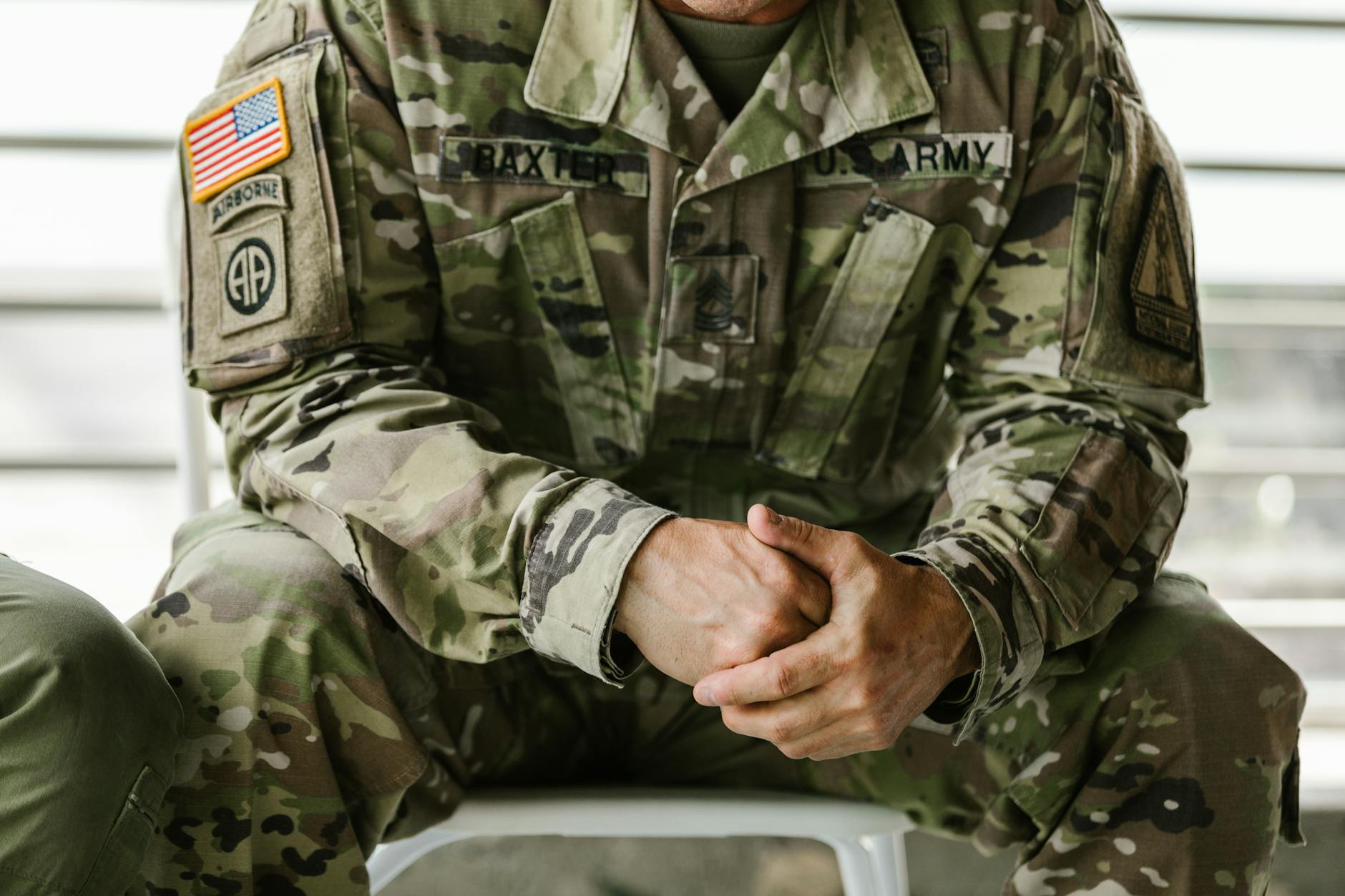
In a significant development for transatlantic relations, U.S. President Donald Trump has reportedly considered the option of withdrawing a portion of American troops stationed in Europe. This conversation, confirmed by a senior White House official to Reuters, emerges against a backdrop of increasing tensions within NATO and amid concerns regarding the United States' long-term military commitments to the alliance. The implications of such a withdrawal could be far-reaching, affecting not only the balance of power in Europe but also the broader security architecture of the North Atlantic region.
The potential troop reduction reflects Trump's longstanding criticism of NATO allies for what he perceives as inadequate defense spending. Since taking office, Trump has repeatedly called for European members to increase their defense budgets to meet the alliance's guideline of 2% of GDP. This demand has been met with resistance and has strained relations between the United States and several NATO member states. The prospect of troop withdrawals could serve as leverage to compel European nations to enhance their military expenditures, but it also risks undermining the collective defense principle that has underpinned NATO since its inception.
Geopolitically, the timing of this discussion is particularly sensitive. With Russia's military activities in Ukraine and increased assertiveness in the Baltic Sea region, the presence of U.S. troops serves as a critical deterrent against potential aggression. The forward deployment of American forces in Europe has been a cornerstone of U.S. defense policy since the Cold War, aimed at reassuring European allies and maintaining a balance of power against adversaries. A reduction in troop levels could embolden hostile actors, potentially destabilizing the region and diminishing NATO's credibility.
From a military strategy perspective, the configuration of U.S. forces in Europe is designed to respond quickly to emerging threats. The U.S. maintains approximately 35,000 troops across Europe, with significant contingents in Germany, Italy, and the UK. These forces participate in joint exercises, contribute to NATO missions, and serve as a rapid response capability in the event of a crisis. The removal of troops could complicate these operations and diminish the U.S. military's ability to project power in the region.
Additionally, the implications of troop withdrawals extend to broader international relations. European nations may reassess their defense policies and strategic partnerships in light of a perceived reduction in U.S. commitment. Countries like Poland and the Baltic states, which view the U.S. presence as vital to their national security, could feel increasingly vulnerable. This dynamic may lead to a recalibration of defense strategies among European nations, potentially increasing military cooperation within the EU or fostering closer ties with other global powers.
Critics of the potential withdrawal argue that it could create a vacuum that Russia may exploit. The Kremlin has long viewed NATO expansion and the U.S. military presence in Europe as direct threats to its sphere of influence. A reduction in U.S. troops could embolden Russian aggression, as seen in previous incursions into Georgia and Ukraine. It is essential for U.S. policymakers to weigh these risks carefully, considering the potential consequences of any troop reduction.
Looking ahead, the situation remains fluid, with various factors influencing the decision-making process within the Trump administration. Observers should watch for ongoing discussions among NATO allies regarding defense spending and burden-sharing, as well as any shifts in U.S. military posture in response to evolving threats. The outcomes of these deliberations will not only shape U.S.-European relations but also influence the future of NATO and its ability to respond to crises effectively. As the geopolitical landscape continues to shift, the decisions made in Washington will resonate far beyond Europe, impacting global security dynamics for years to come.